A record 288,579 Germans emigrated in 2025, three quarters of them graduates, and the country is losing its best people: so runs the claim. Nearly half of that record went to a destination the statistical office lists as unknown, and its own notes say many of those people never left Germany. What remains is real and about half the size. By the standards of its neighbours and of its own past few Germans leave, and far more graduates from abroad live in Germany than German graduates live abroad. Two things survive the check: the net loss of citizens is the largest since 2008, and no statistic records who is leaving.
By Raphael Bauer45 min read
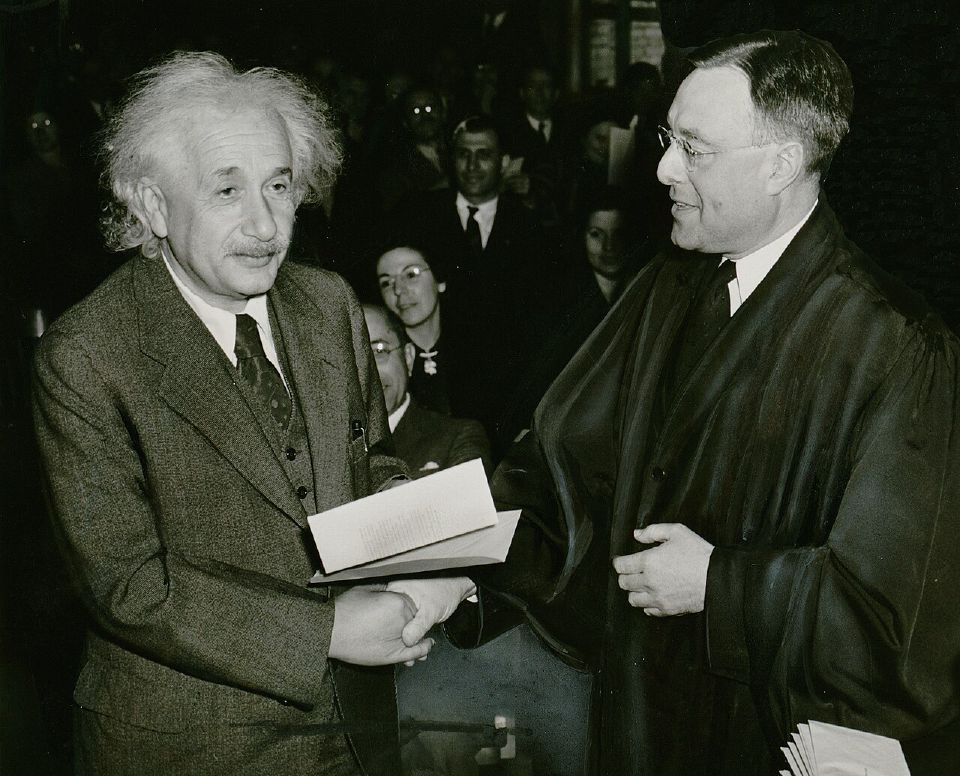
Photo: New York World-Telegram and the Sun staff photographer: Al Aumuller, 1940, via Wikimedia Commons. Public domain.
On 1 June 2026 the Federal Statistical Office published Germany’s migration figures for 2025. On its count more Germans left the country than came back, for the twenty-first year running, and the loss had grown from 81,000 to 97,000. The next morning the Neue Zürcher Zeitung supplied the reading that stuck. 288,579 Germans had moved abroad, it wrote, “So viele wie noch nie”, more than ever before. Three quarters of the emigrants had a university degree, and to put it drastically: “Deutschland verliert seine Leistungsträger”, Germany is losing the people who carry it. Nine days later Alice Weidel of the AfD told the government in the Bundestag that in its first year in office “so viele deutsche Staatsbürger ausgewandert wie nie zuvor”, more German citizens had emigrated than ever before.
In 2004 Germany's environment minister said the renewables programme cost a household about a euro a month, as much as a scoop of ice cream. Twenty-two years and about €320 billion of subsidy later, Germany has the second-highest household electricity price in the European Union and electricity that carries ten times as much carbon as France's. The build-out is real. The bargain was not, and the environment has little to show for it.
By Raphael Bauer30 min read
On 30 July 2004, two days before the reformed Renewable Energy Sources Act (the EEG) came into force, the federal environment minister, Jürgen Trittin, gave Germans a number to hold on to. Es bleibt dabei, his ministry quoted him, it …
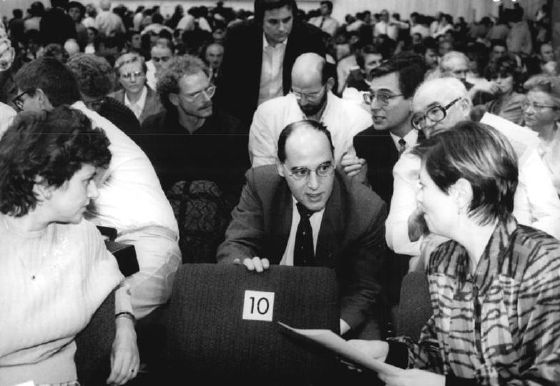
In December 1989 the SED voted down a motion to dissolve itself, and the commission that later audited its money recorded a deciding reason: its property. Every renaming since has left the legal person intact, so the claim that Die Linke is legally identical with the SED rests on the German state’s own findings. That identity makes the party answerable for a balance sheet, which it has already settled. It does not make it guilty of the deaths at the Wall, and the reason is German criminal law.
By Raphael Bauer37 min read
On 8 December 1989 the Sozialistische Einheitspartei Deutschlands (SED), the party that had ruled East Germany for forty years, opened an extraordinary congress in an East Berlin sports hall. At the end of the debate a delegate from a …