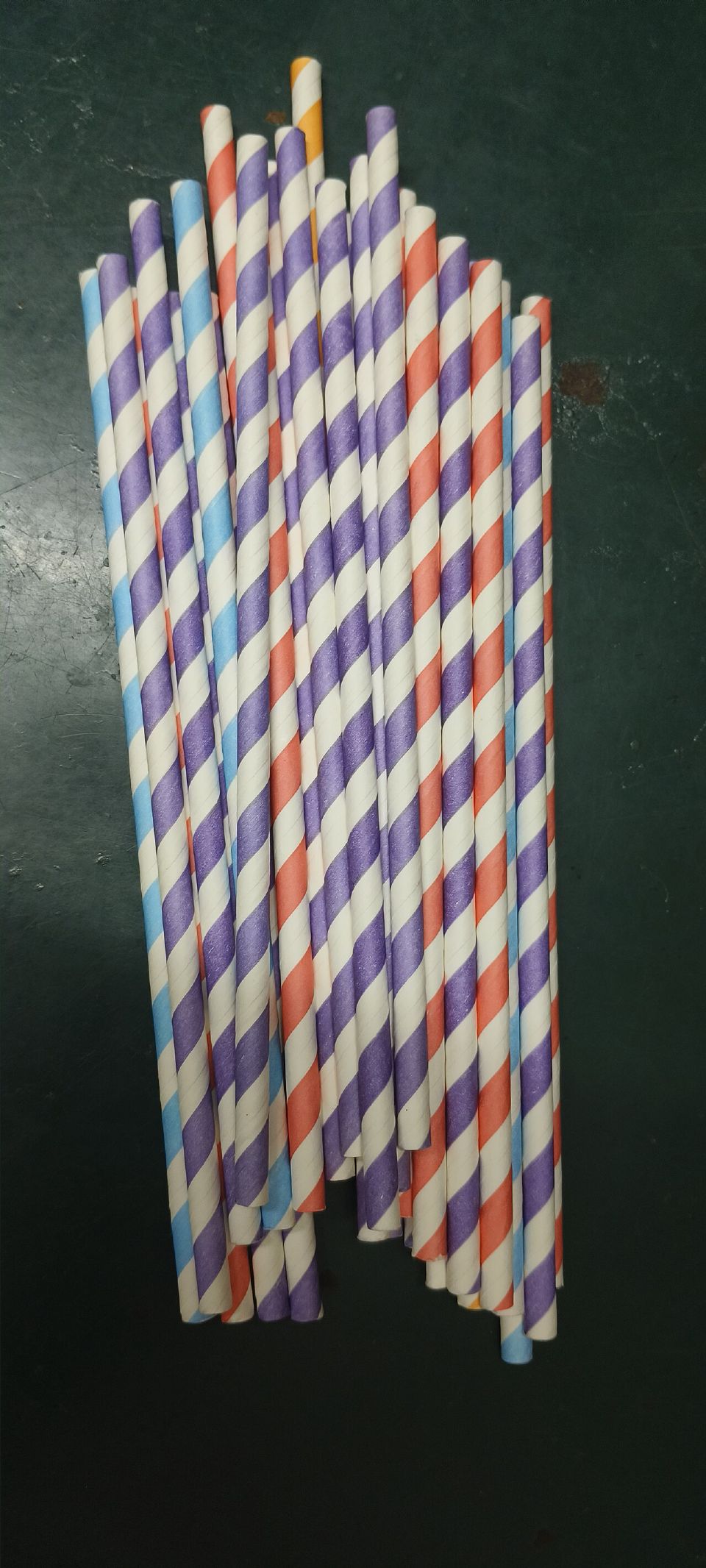
In May 2026 Capri-Sun stopped collecting signatures. The drinks maker from Eppelheim in Baden-Württemberg had turned to the public in August 2024 to win back a plastic straw for its pouches, which have come with a paper one since the European Union banned plastic straws in 2021. “We need 1 million signatures to show the European Commission why this matters”, its petition said. On 17 November 2026 the counter stood at 169,079, and an update dated 12 May says “the petition is no longer active”. The company told the trade paper Lebensmittel Praxis what its customers complain of, and most drinkers will recognise it: the paper straw is harder to push into the pouch, goes soft during drinking and leaves a taste of paper.
Germany has a word for the death of its insects, a law against it and a famous number: three-quarters gone in 27 years. The number is the weight of insects caught at 63 sites in protected areas, 57 of them in one federal state and 37 of them trapped in one year only. Where it was measured, the fall holds up. Nobody had measured the country as a whole when the number appeared in 2017, and nobody has since.
By Raphael Bauer37 min read
In October 2017 the Entomological Society Krefeld, on the Lower Rhine, and a group of ecologists from Nijmegen published what the society’s insect traps had caught over 27 years. The answer was less and less: by 2016 the weight of …
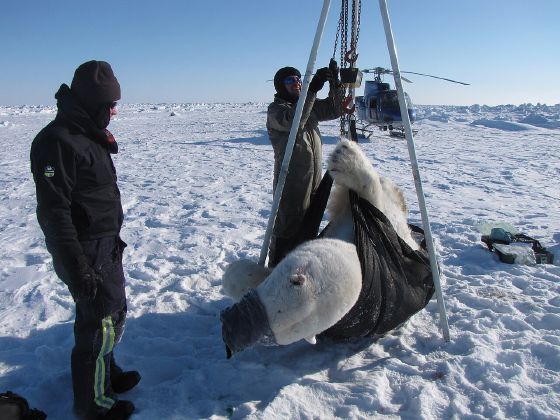
There are probably more polar bears alive today than in the 1960s. But the 1960s figure was a guess, any rise came from curbs on hunting rather than from the climate, and for nearly half the world's subpopulations there is no usable trend at all.
By Raphael Bauer22 min read
The polar bear has a public relations problem in both directions. For two decades it has been the face of the melting Arctic, thin and stranded on a shrinking floe. For almost as long there has been a counter-claim: polar bear numbers have …