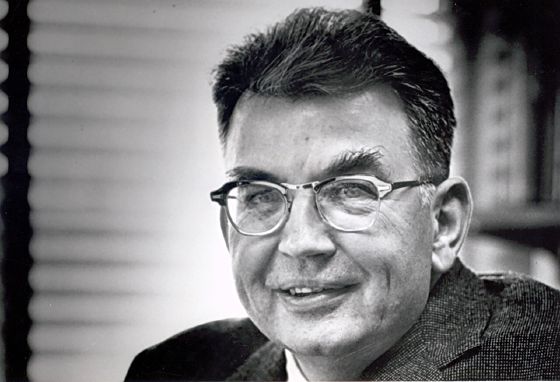
At 21 Ronald Coase asked why firms exist at all if prices organise an economy, and answered that using the market has a cost. The paper he published in 1937, at 26, lay largely unused for a generation and has since been cited more than 15,000 times. Set against its critics and against several hundred statistical tests, the question has held up better than the answer. The forecast often made in its name, that cheap communication would dissolve the firm, was never his.
By Raphael Bauer37 min read
On 10 October 1932 a 21-year-old lecturer in Dundee wrote to Ronald Fowler about the first lecture of a course he had just begun. “As it was a new approach (I think) to this subject, I was quite pleased with myself,” he …
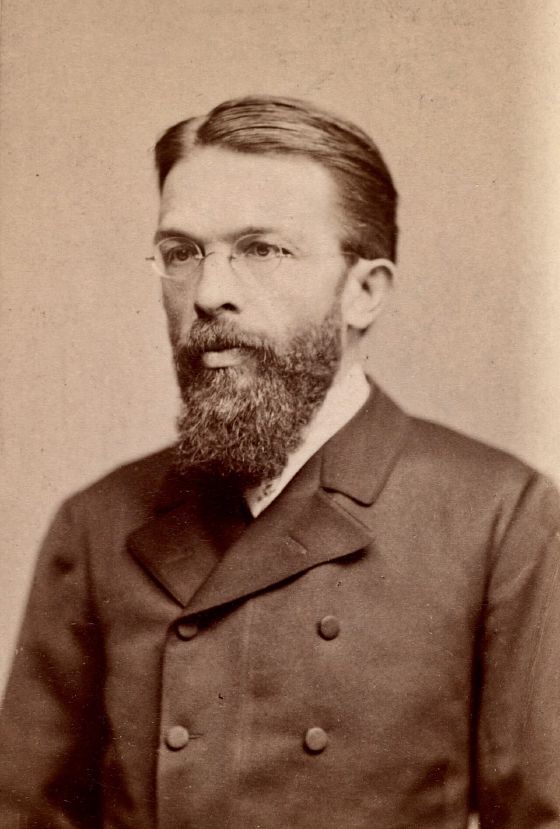
Carl Menger came to economics through the newspapers, tutored a crown prince, fought the most famous battle over method in the history of economics, and left a body of work you could read in a fortnight. It contains the idea that value is a judgment people make, not a property of things, and an account of how money comes into being that economics had to rediscover a century later.
By Raphael Bauer39 min read
Between the eighth and the seventeenth of March 1892 a commission sat in Vienna to decide what the money of Austria-Hungary should be made of. Its most eminent member was a fifty-two-year-old professor of political economy who had spent the …