A record 288,579 Germans emigrated in 2025, three quarters of them graduates, and the country is losing its best people: so runs the claim. Nearly half of that record went to a destination the statistical office lists as unknown, and its own notes say many of those people never left Germany. What remains is real and about half the size. By the standards of its neighbours and of its own past few Germans leave, and far more graduates from abroad live in Germany than German graduates live abroad. Two things survive the check: the net loss of citizens is the largest since 2008, and no statistic records who is leaving.
By Raphael Bauer45 min read
On 1 June 2026 the Federal Statistical Office published Germany’s migration figures for 2025. On its count more Germans left the country than came back, for the twenty-first year running, and the loss had grown from 81,000 to 97,000. …
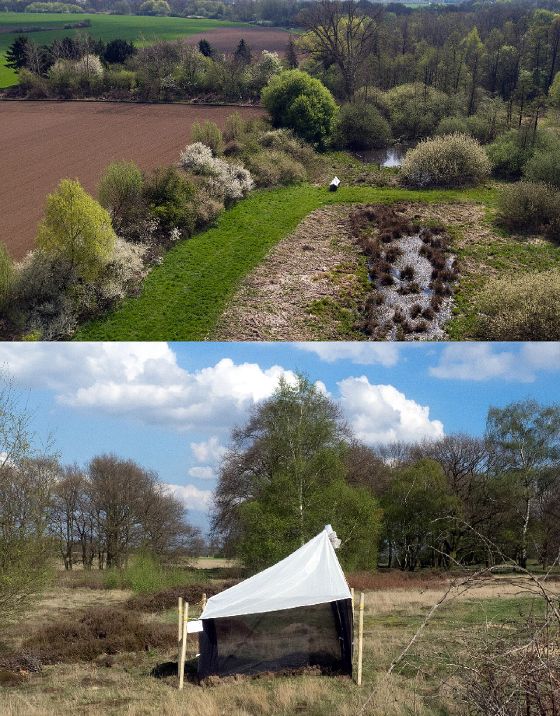
Germany has a word for the death of its insects, a law against it and a famous number: three-quarters gone in 27 years. The number is the weight of insects caught at 63 sites in protected areas, 57 of them in one federal state and 37 of them trapped in one year only. Where it was measured, the fall holds up. Nobody had measured the country as a whole when the number appeared in 2017, and nobody has since.
By Raphael Bauer37 min read
In October 2017 the Entomological Society Krefeld, on the Lower Rhine, and a group of ecologists from Nijmegen published what the society’s insect traps had caught over 27 years. The answer was less and less: by 2016 the weight of …
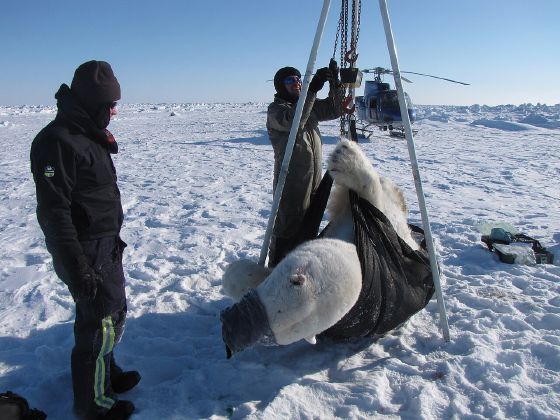
There are probably more polar bears alive today than in the 1960s. But the 1960s figure was a guess, any rise came from curbs on hunting rather than from the climate, and for nearly half the world's subpopulations there is no usable trend at all.
By Raphael Bauer22 min read
The polar bear has a public relations problem in both directions. For two decades it has been the face of the melting Arctic, thin and stranded on a shrinking floe. For almost as long there has been a counter-claim: polar bear numbers have …