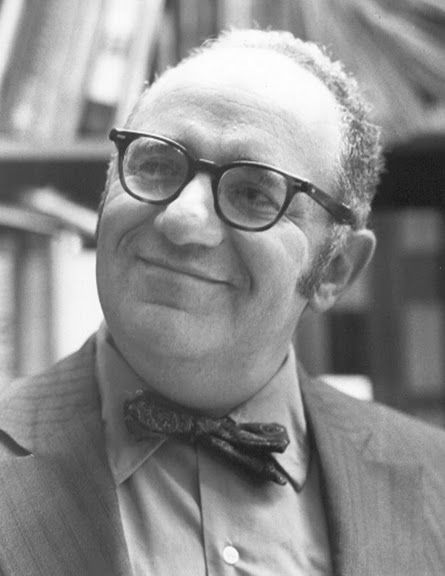
Murray Rothbard had a hard time of it in economics, for most of his life. He inspired a whole generation of people who love liberty all the same. Who was the man who wrote about 25 books, whom Javier Milei has named in 43 speeches of his presidency, and who got so many of his forecasts wrong?
By Raphael Bauer48 min read
On 1 April 1950 a census enumerator walked the corridors of 370 Central Park West in Manhattan and wrote down who lived there. In apartment 506 he found Arthur F. Burns, 46, born in Poland, an economics teacher, with his wife Helen and …
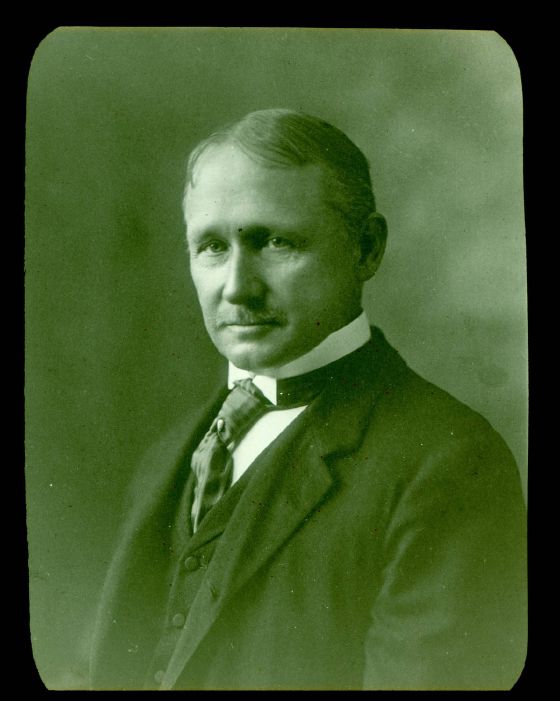
A rich Philadelphian's son promised workers that improving manual work by scientific method would raise wages and profits together. His famous anecdote, the story of a labourer he called Schmidt, did not happen that way, and under oath he said that no firm used his system in full. Yet his claim stands to this day: method beats habit, and pay can rise with output.
By Raphael Bauer46 min read
The best-known scene in the literature of management opens with a question: “Schmidt, are you a high-priced man?” A labourer at the Bethlehem steel works in Pennsylvania, paid $1.15 a day for carrying 92-pound bars of pig iron …
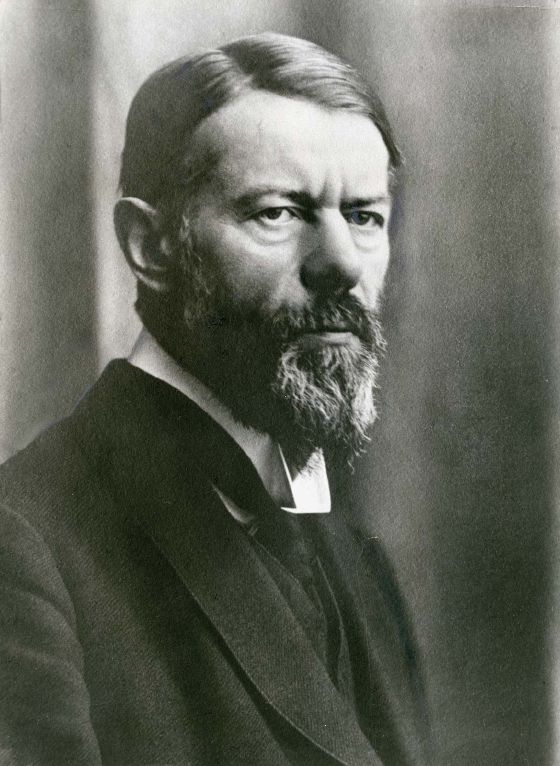
Max Weber is remembered for saying that Protestantism made capitalism. He called that thesis foolish in the essay itself, and one row of the school statistics the essay opens with adds up to 109 per cent. The tests of the past two decades find Protestants a little keener on work than Catholics, and no sign that they saved more or that their cities grew faster. What he told three hundred Austrian officers in Vienna in June 1918 has lasted better: that when the state takes over the economy, the officials rule, not the workers. He thought the trained official unbeatable at running things, and feared him for it.
By Raphael Bauer48 min read
On 13 June 1918 a German professor stood up in Vienna before some three hundred officers of the Austro-Hungarian army and talked for an hour and a half about socialism. He had not taught a course for more than eighteen years and had …
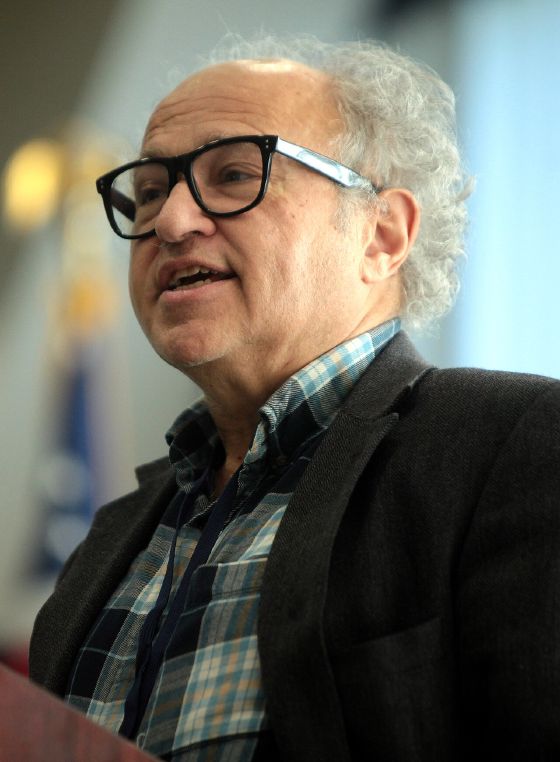
Milton Friedman's son took a doctorate in physics and taught economics and law without a course for credit in either. In 1973 he wrote a plain-spoken case for a society without a state. In June the president of Argentina called his visit historic. His sums on medieval Iceland, the stateless society whose civil war he found no deadlier than American murder, hold as he did them in 1979, though the comparison printed in his book has aged. On climate change he says nobody knows whether the effects of warming will, on balance, be bad or good. His own guess is that they will be good.
By Raphael Bauer40 min read
Over the Labor Day weekend of 1969, St. Louis hosted two conventions at once. One was the World Science Fiction Convention. The other was the national convention of Young Americans for Freedom, the conservative youth group, which that …
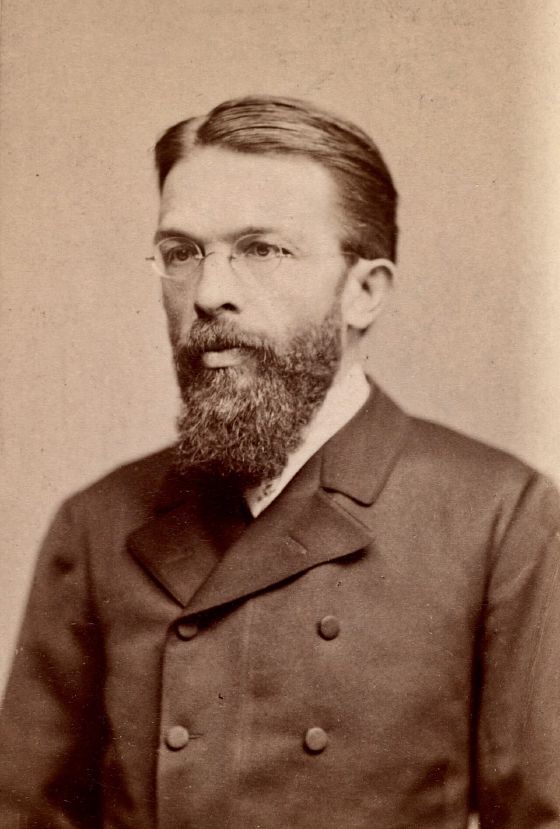
Carl Menger came to economics through the newspapers, tutored a crown prince, fought the most famous battle over method in the history of economics, and left a body of work you could read in a fortnight. It contains the idea that value is a judgment people make, not a property of things, and an account of how money comes into being that economics had to rediscover a century later.
By Raphael Bauer39 min read
Between the eighth and the seventeenth of March 1892 a commission sat in Vienna to decide what the money of Austria-Hungary should be made of. Its most eminent member was a fifty-two-year-old professor of political economy who had spent the …