In December 1989 the SED voted down a motion to dissolve itself, and the commission that later audited its money recorded a deciding reason: its property. Every renaming since has left the legal person intact, so the claim that Die Linke is legally identical with the SED rests on the German state’s own findings. That identity makes the party answerable for a balance sheet, which it has already settled. It does not make it guilty of the deaths at the Wall, and the reason is German criminal law.
By Raphael Bauer36 min read
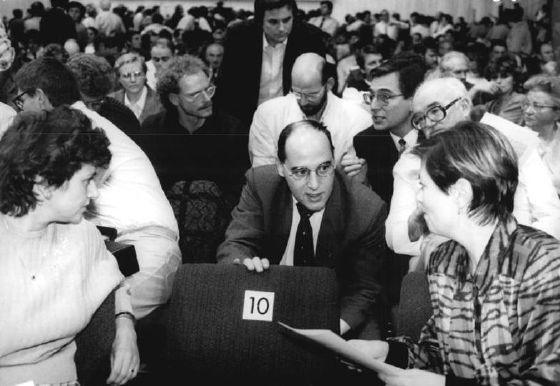
On 8 December 1989 the Sozialistische Einheitspartei Deutschlands (SED), the party that had ruled East Germany for forty years, opened an extraordinary congress in an East Berlin sports hall. At the end of the debate a delegate from a …
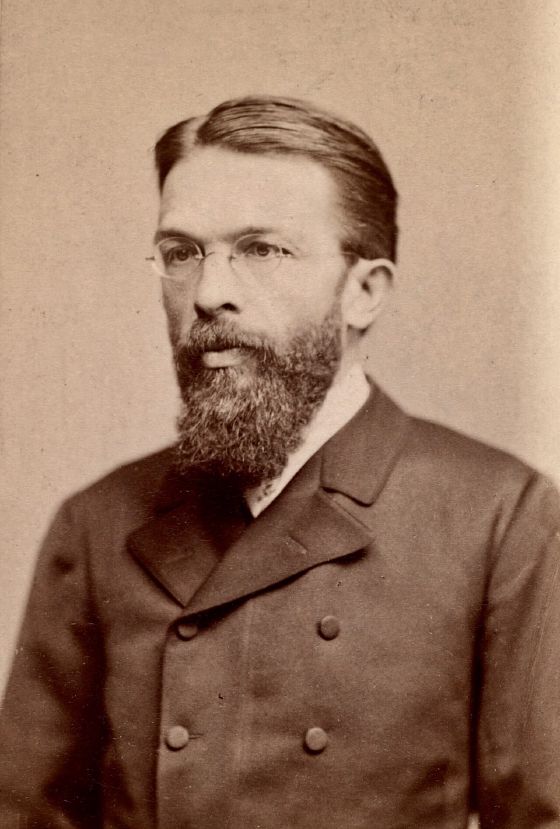
Carl Menger came to economics through the newspapers, tutored a crown prince, fought the most famous battle over method in the history of economics, and left a body of work you could read in a fortnight. It contains the idea that value is a judgment people make, not a property of things, and an account of how money comes into being that economics had to rediscover a century later.
By Raphael Bauer39 min read
Between the eighth and the seventeenth of March 1892 a commission sat in Vienna to decide what the money of Austria-Hungary should be made of. Its most eminent member was a fifty-two-year-old professor of political economy who had spent the …

.jpg)